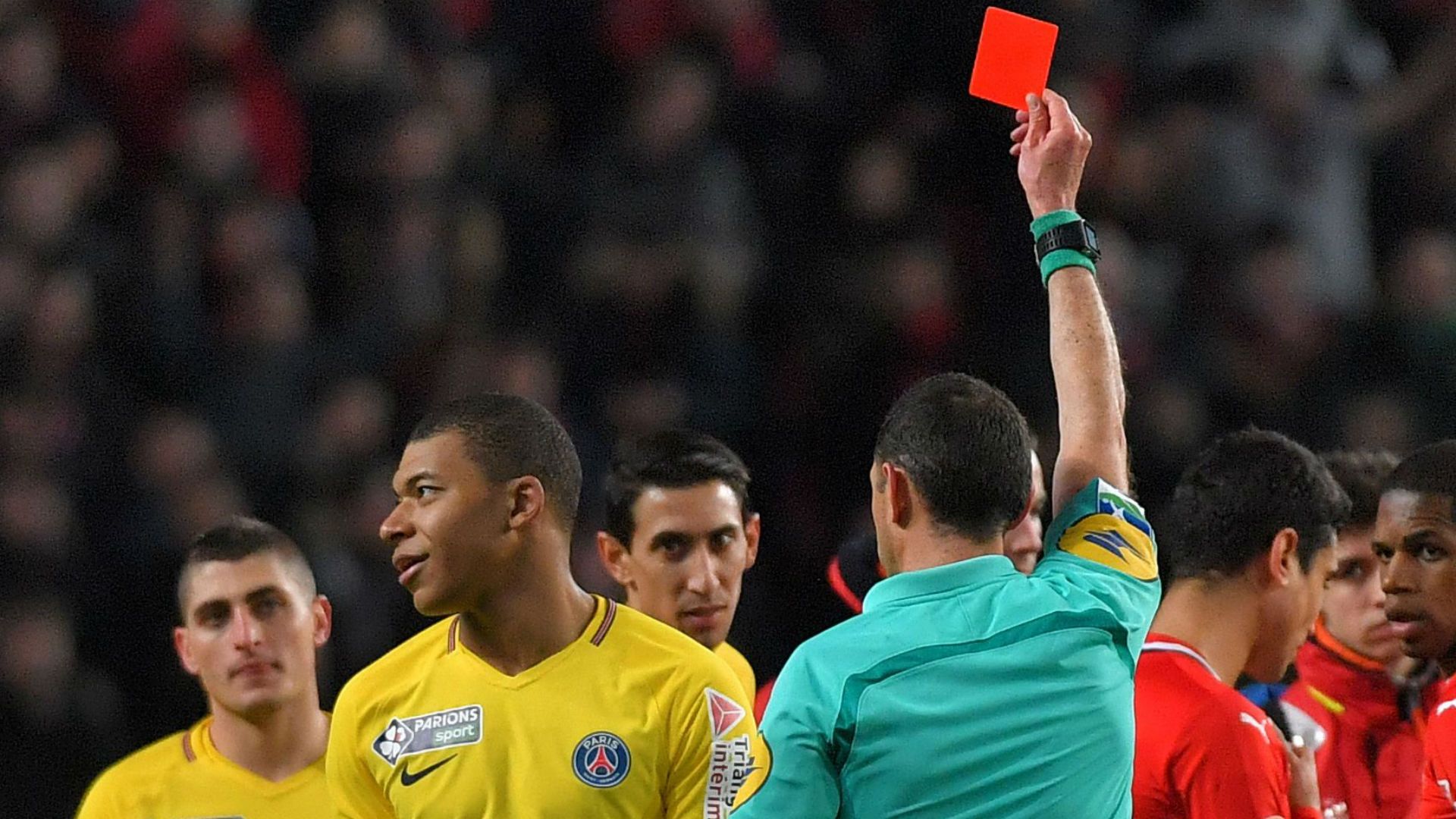
The 2012/2013 French Ligue 1 campaign featured an exceptionally tight survival race, where clubs like Brest, Troyes, Nancy, Sochaux, and Évian fought until the final weeks to avoid dropping into Ligue 2. As survival pressure mounted during the run-in, match dynamics transformed significantly compared to mid-table encounters. Desperate defensive setups, increased physical intensity, and high-stress box defending systematically inflated booking points, sent-off occurrences, and spot-kick decisions across critical fixtures.
Psychological Pressure and Tactical Friction in Relegation Fixtures
Teams fighting survival face existential financial and operational consequences, altering player decision-making in high-risk zones. Tactical instructions in relegation six-pointers emphasize preventing goals at all costs, resulting in aggressive recovery tackles and deliberate fouls to halt opposition transition attacks. This heightened aggression naturally forces referees to intervene more frequently with yellow cards during the opening half-hour.
When evaluating how extreme stakes alter overall match discipline and spot-kick probability, market analysts track how bookmakers price disciplinary markets during late-season relegation clashes. Observing how sportsbooks structure booking points and penalty propositions during tense bottom-table matches, observers frequently consult an online betting site to study line movement across secondary prop markets; analyzing operational frameworks such as ufabet เว็บไหนดี reveals how oddsmakers dynamically adjust discipline thresholds when relegation-threatened sides face high-pressing opposition.
High-Risk Penalty Box Mechanics and Mistime Defending
Desperate defending inside the penalty area creates a sharp rise in mistimed tackles, desperate lunges, and handball incidents under high ball-flight volume. Clubs fighting relegation during the 2012/2013 season often lacked elite central defenders, leading to structural gaps that forced panicked late interventions. When tired or technically limited defenders are forced to deal with isolated 1-on-1 dribblers inside the box, the statistical probability of a penalty decision increases markedly.
The tactical dynamic of low-block defending under persistent pressure leads to predictable foul patterns inside the penalty box. Tracking how specific defensive profiles react under sustained pressure helps quantify penalty risks across different matchup types:
- Desperate Recovery Lunges: Late tackles executed by trailing defenders after losing initial positioning on quick wingers.
- Handball Block Attempts: Unnatural body expansions during close-range shots inside a crowded penalty area.
- Persistent Shirt-Pulling: Tactical holding during defensive set-piece delivery when zone coverage breaks down.
- Panic Clearance Contact: Unintentional tripping when attempting to clear second balls under heavy opposition pressing.
Evaluating these four defensive failure modes shows that penalty awards in relegation fixtures are rarely random anomalies. Instead, they represent the direct structural outcome of technical limitations exposed under high physical fatigue. When lower-tier defenses are subjected to repetitive penalty-box entries without possession control, their margin for physical error collapses, driving up penalty occurrences substantially over a full 90-minute sample.
Referees Under Pressure: Strictness and Card Inflation Trends
Match officials assigned to high-stakes relegation games operate under severe public and institutional scrutiny. A referee’s willingness to issue early warnings versus immediate yellow cards sets the baseline tone for physical tolerance throughout the match. In 2012/2013, referees managing bottom-table fixtures frequently used early cautioning as a tool to maintain order before physical altercations escalated.
Seasonal Discipline Variation
During the final ten matchdays of the 2012/2013 season, referee behavior shifted noticeably depending on league table implications. In matches involving two relegation-threatened sides, card averages per game rose by over twenty percent compared to early-season benchmarks. This systemic inflation reflected both heightened player aggression and strict officiating directives aimed at preventing match disruption.
When Tactical Aggression Triggers Early Red Cards
Red cards represent the ultimate failure of tactical discipline, fundamentally altering match control and total goal expectations. In the 2012/2013 relegation fight, second yellow cards were particularly common as exhausted fullbacks attempted to halt fast counter-attacks late in games. Direct red cards, while rarer, spiked in high-tension matchups where emotional frustration boiled over after conceding crucial goals.
| Relegation Contender (2012/2013) | Total Yellow Cards Received | Total Red Cards Received | Penalties Conceded |
| Brest | 72 | 7 | 8 |
| Troyes | 68 | 6 | 9 |
| Nancy | 75 | 5 | 6 |
| Sochaux | 64 | 4 | 7 |
| Évian TG | 71 | 8 | 5 |
Analyzing the disciplinary breakdown reveals a strong positive correlation between high red card totals and ultimate relegation outcome. Teams like Brest and Troyes, who suffered high red card and penalty concession counts, repeatedly compromised their tactical shape, leaving them vulnerable to late goal concessions. This statistical pattern demonstrates that poor disciplinary control directly degrades a team’s ability to hold onto draw results under pressure.
Misconceptions in Betting Discipline Markets
A common error among market participants is assuming that every relegation match will automatically result in high card counts or guaranteed penalties. Oddsmakers anticipate public bias and routinely inflate card thresholds and penalty prices for late-season six-pointers. When booking point lines are set too high, underselling card props on disciplined relegation sides often yields hidden value.
When examining how wagering markets price card and penalty markets, sharp analysts carefully assess whether line inflation has eliminated long-term mathematical edge. In situations where pre-match card thresholds are shaded too aggressively by sportsbooks, exploring alternative gaming options across a sports betting service allows bettors to compare pricing efficiency across various market segments; examining digital platforms like casino online illustrates how diverse market layouts allow sharp participants to isolate specialized prop opportunities when standard card lines become unplayable.
Structural Exceptions Where Discipline Markets Fail to Deliver
Not all relegation matches generate chaotic card totals or penalty decisions. When two relegation-threatened teams share an mutual incentive to secure a cautious draw, match tempo drops significantly. In these low-pace encounters, foul counts remain low because neither side commits sufficient numbers forward to force dangerous counter-attacking tackles or crowded box incidents.
Summary
Analyzing card and penalty opportunities in the 2012/2013 Ligue 1 relegation battle demonstrates that high-stakes pressure consistently drives tactical fouls, panic defending, and referee intervention. However, capitalizing on these trends requires recognizing specific match contexts—such as technical imbalances and referee assignment profiles—rather than blindly assuming every relegation fixture will devolve into chaos. Smart market evaluation balances structural defensive flaws against public line inflation to identify genuine long-term value.